

Ectopic Pregnancy Symptoms & Nursing Care Guide

April 30, 2026

Share This Article:

Finding out you might be pregnant can bring a mix of emotions, especially if something does not feel quite right physically. You may be noticing symptoms that leave you feeling unsure or concerned about what is happening in your body.


If you are searching for answers about ectopic pregnancy symptoms, you are not alone. Many women have questions during this time, and it is okay to take things one step at a time as you look for clarity.


Understanding what to watch for and when to seek care can help you feel more prepared and supported as you navigate your next steps.

What Is an Ectopic Pregnancy

An ectopic pregnancy happens when a fertilized egg implants outside of the uterus. Most often, this occurs in one of the fallopian tubes, which is why it is sometimes called a tubal pregnancy.


Because the uterus is the only place designed to support a growing pregnancy, an ectopic pregnancy cannot develop normally. As it grows, it can lead to serious health complications.


This is a condition that requires medical attention and should not be ignored.

Early Ectopic Pregnancy Symptoms and Signs

Early ectopic pregnancy symptoms can sometimes feel similar to a typical pregnancy, which can make them easy to overlook at first. However, there are certain signs that may point to something more serious.


Common symptoms may i
nclude:

  • Sharp or stabbing pain in the abdomen or pelvis
  • Vaginal spotting or light bleeding
  • Shoulder pain, especially when lying down
  • Weakness, dizziness, or fainting

Some women may also have typical pregnancy symptoms, such as a missed period or nausea, alongside these warning signs.


Symptoms can vary from person to person
, and they may start mild before becoming more intense. Paying attention to changes in your body can help you recognize when something feels off.

When Ectopic Pregnancy Symptoms Are an Emergency

Some ectopic pregnancy symptoms can quickly become serious and require immediate medical attention. It is important to recognize when symptoms may signal an emergency.


Seek urgent care if you experience:


  • Severe abdominal or pelvic pain
  • Heavy vaginal bleeding
  • Fainting or feeling like you might pass out
  • Dizziness or weakness that worsens
  • Shoulder pain along with other symptoms
Woman sitting on a couch, clutching her abdomen in pain with a blanket in the background

These signs may indicate internal bleeding, which can be life-threatening if not treated right away.


If something feels severe or suddenly worsens, it is important to act quickly and get medical help as soon as possible.

What Causes an Ectopic Pregnancy

An ectopic pregnancy can happen when a fertilized egg has trouble moving into the uterus. This is often related to issues in the fallopian tubes that slow or block its path.


Some factors that may increase the risk include:

  • Previous ectopic pregnancy
  • Inflammation or infection in the reproductive organs
  • Scarring from past surgeries
  • Certain sexually transmitted infections
  • Smoking

In some cases, there may be no clear cause at all. It can happen even if you have no known risk factors.


Understanding possible causes can help provide context, but it is important to remember that this i
s not something you caused.

How Doctors Diagnose an Ectopic Pregnancy

Diagnosing an ectopic pregnancy typically involves a combination of tests and a medical evaluation. Because symptoms can overlap with other conditions, doctors look at several factors to make an accurate diagnosis.


Common steps may include:

  • A pregnancy test to confirm pregnancy hormone levels
  • Blood tests to measure how those hormone levels are changing over time
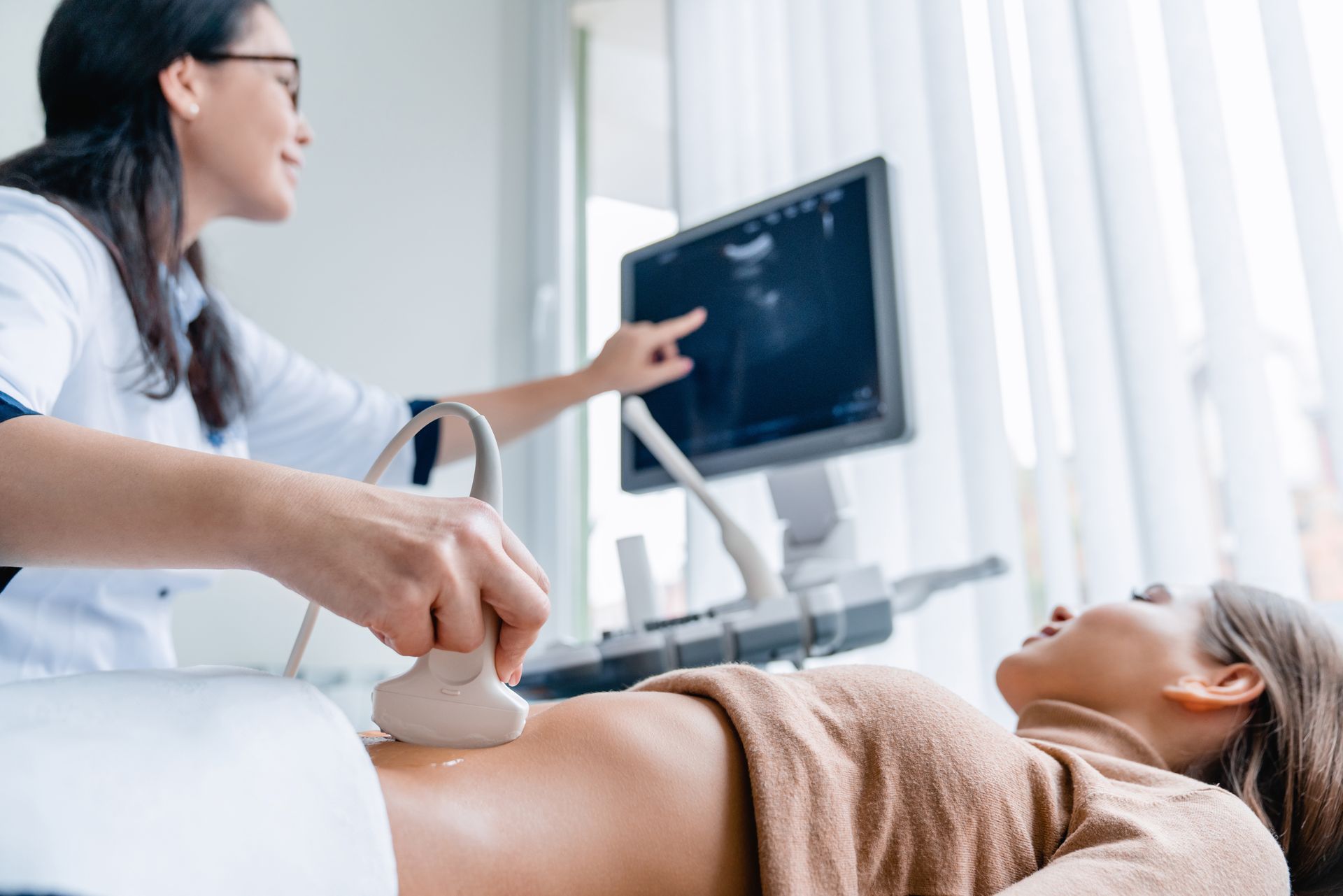
  • An ultrasound to check the location of the pregnancy

In some cases, follow-up testing may be needed to get a clearer picture. These steps help determine whether the pregnancy is developing inside the uterus or elsewhere.


Early diagnosis is important so that appropriate care can be provided as soon as possible.

Ectopic Pregnancy Nursing Care and Support

Care for an ectopic pregnancy focuses on protecting your health and addressing the condition as early as possible. Medical treatment may vary depending on your symptoms and how far the pregnancy has progressed.


Nursing care may include monitoring your symptoms, checking vital signs, and helping you understand what is happening in your body. You may also receive guidance on what to expect during treatment and recovery.


In addition to physical care, emotional support is an important part of this process. Having someone explain your
options and answer your questions can help you feel more informed and less overwhelmed.

Emotional Support After an Ectopic Pregnancy Loss

Experiencing an ectopic pregnancy can be physically and emotionally difficult. You may be processing not only a medical situation but also the loss of a pregnancy.


Emotions can vary and may include sadness, grief, confusion, or even a sense of shock. These feelings may come all at once or change over time.


Giving yourself space to acknowledge what you have been through can be an important part of healing. You do not have to move forward quickly or have everything figured out right away.

Facing an Unexpected Pregnancy? We’re Here to Help

If you are facing an unexpected pregnancy or have concerns about your symptoms, you deserve a place where you can feel safe, heard, and cared for.


At
Women’s Resource Clinic, we provide free and confidential care in a supportive environment. You can get answers, ask questions, and talk through your situation with someone who will listen.


You don’t have to figure this out alone.
Schedule your free appointment and start with a conversation. We’re here when you’re ready.

Connect With Us:

Two people sitting back-to-back by a bright window, both looking down thoughtfully
April 27, 2026
After abortion support offers a safe space to process emotions, understand your experience, and explore healing through compassionate care and guidance.
A pregnant person in a yellow dress sits on a rug, writing in a notebook while looking at an open laptop.
March 23, 2026
Pregnant in college? Learn your rights, support options, and next steps. Get the facts and find free, confidential care to help you move forward.
Person receiving an abdominal ultrasound exam. A technician holds the transducer on the abdomen.
February 26, 2026
Wondering when to get your first ultrasound? Learn the typical timing, what to expect, and how free, confidential care can support your next steps.