Pregnancy can bring a lot of questions, especially if you missed a period, noticed unfamiliar symptoms, or received a positive pregnancy test. You may be wondering what is normal, what happens next, or when it is time to see a medical professional.
Clear, reliable information can help you understand what may be happening and feel more prepared for your next steps.
1. Could I Be Pregnant?
If you’ve had sex and your period is late, pregnancy is one possible reason. Early signs can include nausea, breast tenderness, fatigue, frequent urination, or light spotting. Some people have few or no symptoms at first, and many early pregnancy symptoms can have other causes. A pregnancy test is the most reliable way to find out.
2. When Should I Take a Pregnancy Test?
For the most accurate result, take a home pregnancy test after you miss your period. Testing too early can lead to a negative result even if you are pregnant because pregnancy hormone levels may still be too low to detect. If your result is negative but your period still doesn’t start, consider testing again in a few days.
3. Can a Pregnancy Test Be Wrong?
Pregnancy tests are generally accurate when taken at the right time and used according to the instructions. False-negative results can happen if you test too early or your urine is diluted. False-positive results are less common. If you’re unsure about your result, consider taking another test or getting a lab-quality pregnancy test at a medical clinic.
4. What Should I Do After a Positive Pregnancy Test?
After a positive pregnancy test, consider scheduling an appointment to confirm the pregnancy and discuss your next steps. A medical professional can help determine how far along you may be and answer questions about your health. If the pregnancy was unexpected, give yourself time to process the news and gather reliable information before making any decisions.
5. How Far Along Am I in My Pregnancy?
Pregnancy is typically dated from the first day of your last menstrual period, rather than the date conception occurred. This means you may already be considered about four weeks pregnant around the time you miss your period. An ultrasound can provide more information about gestational age, especially if you are unsure when your last period began.
6. When Can an Ultrasound Confirm a Pregnancy?
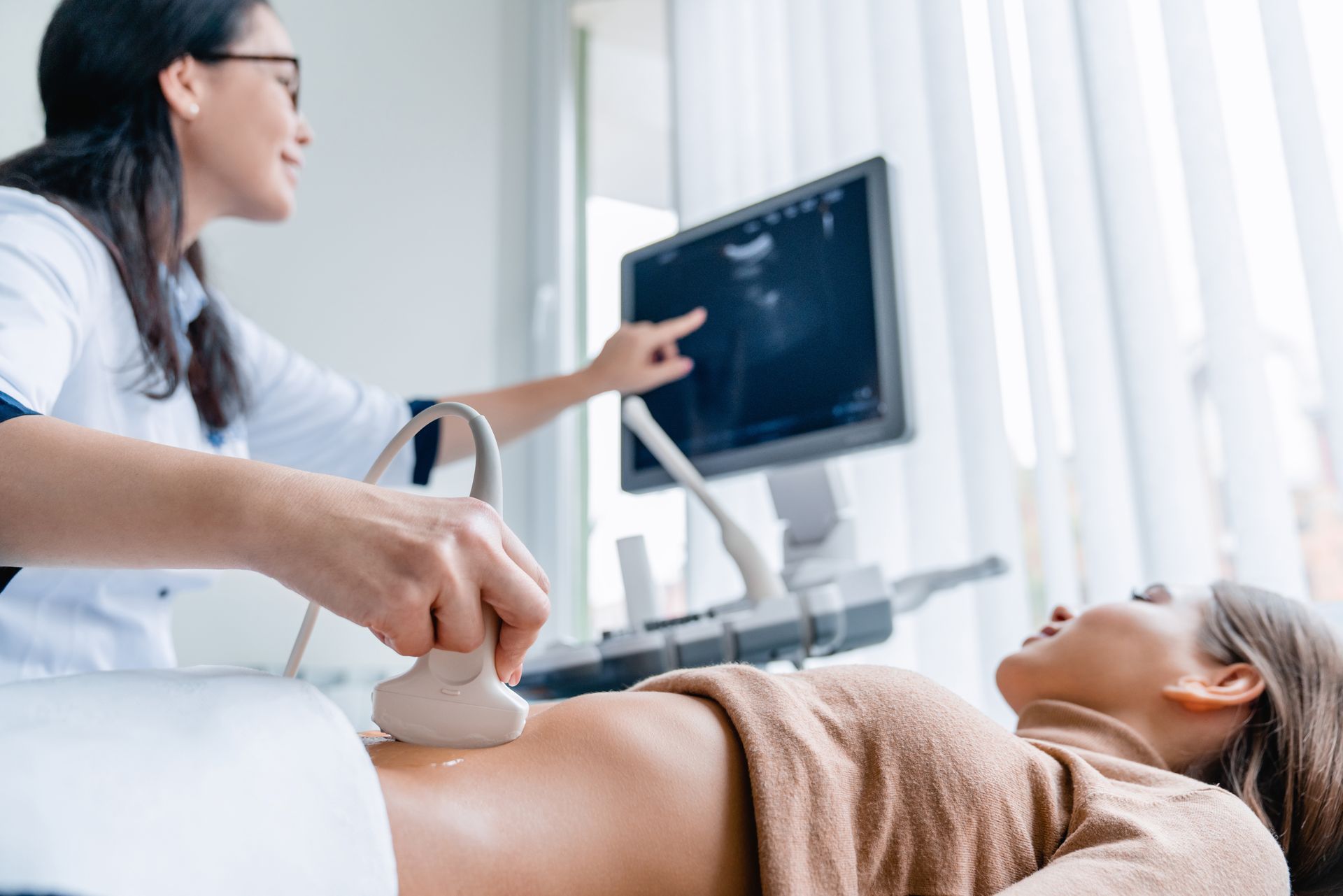
An ultrasound may be able to confirm a pregnancy around five to six weeks after the first day of your last menstrual period. Timing can vary depending on your cycle and how the ultrasound is performed. An early ultrasound can help determine how far along you are and confirm that the pregnancy is located in the uterus.
7. When Should I Start Prenatal Care?
Prenatal care should begin early in pregnancy. After a positive pregnancy test, contact a healthcare provider to schedule your first appointment. Early care gives your provider a chance to review your health history, discuss medications or supplements, and check how your pregnancy is progressing. Your provider can also tell you what to expect at future appointments.
8. Which Pregnancy Symptoms Are Normal?
Common early pregnancy symptoms include nausea, fatigue, breast tenderness, food aversions, mood changes, and more frequent urination. Mild cramping or light spotting can also occur. Symptoms can differ from person to person and may change throughout pregnancy. Talk to a healthcare provider if a symptom feels severe, unusual, or causes concern.
9. When Is Bleeding During Pregnancy a Concern?
Light spotting can happen during pregnancy, but heavier bleeding may need medical attention. Contact a healthcare provider if you experience bleeding that is heavy, persistent, or accompanied by significant pain or cramping. Seek immediate medical care for severe abdominal or pelvic pain, dizziness, fainting, shoulder pain, or heavy bleeding.
10. When Should I Seek Medical Care During Pregnancy?
Some symptoms during pregnancy require prompt medical attention. Seek care for heavy bleeding, severe abdominal or pelvic pain, fainting, chest pain, trouble breathing, a high fever, or severe vomiting that makes it difficult to keep fluids down. If something feels concerning or unusual, contact your healthcare provider for advice rather than waiting for symptoms to worsen.
11. What Foods Should I Avoid While Pregnant?
During pregnancy, avoid raw or undercooked meat, seafood, and eggs, along with unpasteurized milk, cheese, and juice. Certain fish that contain high levels of mercury should also be avoided. Wash fruits and vegetables thoroughly, and heat deli meats and hot dogs until steaming. Ask your healthcare provider if you have questions about a specific food.
12. Can I Drink Caffeine While Pregnant?
You can usually have some caffeine during pregnancy, but it is recommended to limit your intake. The American College of Obstetricians and Gynecologists recommends limiting caffeine to less than 200 milligrams per day during pregnancy. Keep in mind that caffeine is found in coffee, tea, soda, energy drinks, and chocolate. Talk to your healthcare provider if you have questions about your caffeine intake.
13. What Medications Are Safe During Pregnancy?
Some medications are considered safe during pregnancy, while others may pose risks. Before taking prescription drugs, over-the-counter medications, vitamins, supplements, or herbal products, talk to your healthcare provider. If you already take medication regularly, do not stop taking it without medical advice. Your provider can help you determine the safest option for your specific needs.
14. Can I Exercise While Pregnant?
For most healthy pregnancies, regular physical activity is safe and can support your overall health. Walking, swimming, and other moderate activities may be good options. Talk to your healthcare provider about your current routine, especially before starting a new activity. Stop exercising and seek medical advice if you experience bleeding, dizziness, chest pain, or other concerning symptoms.
15. Can I Travel While Pregnant?
Travel is generally safe during a healthy pregnancy, though your plans may need to change as your pregnancy progresses. Before a long trip, talk to your healthcare provider about any health concerns or travel restrictions. During travel, stay hydrated and take regular breaks to move around. Check airline policies if you plan to fly later in pregnancy.
16. Is Sex Safe During Pregnancy?
Sex is generally safe during a healthy pregnancy unless your healthcare provider recommends avoiding it. You may notice changes in comfort, interest, or mild cramping afterward. Talk to your provider if you have concerns about sexual activity during pregnancy. Seek medical care if you experience heavy bleeding, severe pain, or leaking fluid after sex.
17. Should I Get Tested for STIs While Pregnant?
STI testing is an important part of prenatal care because some infections can affect your health and your pregnancy. Many STIs do not cause noticeable symptoms, so testing may be recommended even if you feel well. Talk to your healthcare provider about which tests are appropriate based on your health history and other risk factors.
18. How Often Will I Need Prenatal Appointments?
Prenatal appointments are usually scheduled about once a month early in pregnancy and become more frequent as your due date approaches. Your schedule may differ depending on your health, pregnancy, and provider’s recommendations. These visits give your healthcare provider an opportunity to monitor your health, check your baby’s development, and address questions or concerns.
19. What Should I Ask at My First Pregnancy Appointment?
Your first pregnancy appointment is a good time to ask about prenatal vitamins, nutrition, medications, exercise, and any symptoms you are experiencing. You can also ask about your estimated due date, future appointments, recommended screenings, and symptoms that require medical attention. Write down your pregnancy questions beforehand so you can bring up anything that is important to you.
20. Who Can I Talk to About an Unexpected Pregnancy?
If you are facing an unexpected pregnancy, you do not have to sort through every question on your own. A trusted healthcare professional can provide information about your pregnancy and available options. Women’s Resource Clinic also offers free and confidential care, emotional support, pregnancy testing, and other resources in Chico. You can ask questions, talk through your concerns, and get information in a respectful setting.
Get the Support You Need at Women’s Resource Clinic
Pregnancy can come with questions about your health, your future, and what to do next. Women’s Resource Clinic in Chico provides free and confidential care in a supportive, respectful setting.
Services include lab-quality pregnancy testing,
limited obstetrical ultrasounds, STI testing, emotional support, and practical resources. You can get reliable information, ask questions, and take time to consider your next steps. No pressure. No judgment.
Facing an unexpected pregnancy?
Schedule your free appointment today.